Understanding Togo’s Climate
There is a Minor cold and comforting in which one can travel readily, and the other, which is the Minor dry season, is from November to March. This makes the travel season much richer in the world.
The other, which is classified, is the minor pink and watery season, which is from April to July. This makes sense in terms of the other ranges.
Minor Dry Season- August to early October (brief periods with little rainfall and occasional light showers).
Minor Rainy Season- Start of November (short, sharp showers).
Yes, Togo is more than just “rainy or dry”. Togo is an interesting case study regarding travel and tourism seasons.
The Best Time to Visit for Weather
If you’re someone who prefers moderate temperatures and easy travel, November to March is the dry season and the best time to travel to even to pray. The temperatures are more considerate (hovering around 75° or 25–30°C), the humidity is, relative to the other months, low, and the cities, the mountains, and the beaches can be visited freely.
This time also coincides with the period of the Harmattan (December–February) when cool, dry air, winds from the Sahara, blow over the region. The air can be dusty, but the low humidity makes it easier to capture stunning photographs as the sunsets are quite gorgeous.
On the other hand, the April–July season is known as the rainy season, and the region is more populated with tourists due to the many rivers, waterfalls, a vibrant, lush countryside, and stunning frameworks. Just be prepared with your gumboots and a flexible itinerary!
Travel Seasons Snapshot
Peak Season (November–March)- best weather, more tourists, higher rates of accommodation.
Shoulder Season (August–October)- lesser crowds, weather, and more favorable pricing than the other seasons.
Off Season (April–July)- Rainy season, calm, and budget-friendly.
Festivals That Bring Togo To Life
Of all the reasons for planning your visit, none is more thrilling than Togo's festivals, for this country knows how to celebrate, and these festivities are colorful, spiritual, and rhythmic.
1. Evala Wrestling Festival (July)
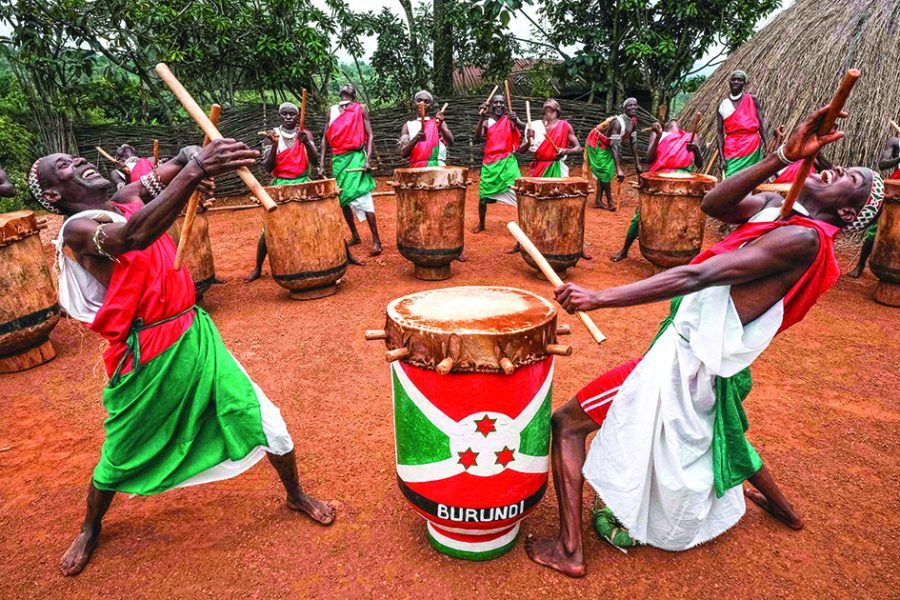
This is what you want, if you want a thrilling cultural experience. In the heady month of July in the northern Kara region, the Evala festival is more than wrestling, it's a rite of passage for young men. There is a lot of chanting and drumming, and the community gatherings are unlike anything you have seen.
2. Gadao-Adossa-Kosso Festival (March–April)
This is held in Sokodé and for a good reason, this is one of the biggest celebrations in Togo. There are horse parades, and warrior dances combined with other customs that gives you a glimpse of Togo's fantastic traditions.
3. Independence Day (April 27th)
In the rest of the country and especially in Lomé, this is the time for raising the country’s flag and the parade while the nation’s music plays. If you love high energy, this is your time.
4. Christmas & New Year (Dec–Jan)
Though they are celebrated worldwide, the holidays in Togo are a bit different. Most tangible of these changes is the change in temperature so that the warm beaches are now full of citizens, the booming nightlife of Lomé is in full swing.
Matching Travel Seasons with Experiences
Are you still trying to figure out the most appropriate time to buy this ticket? Let’s make it interactive, pick your travel style below, and see when you should go:
As a beach lover, the period between November and March is ideal because the coast is warm and breezy. Lake Togo and Lomé beaches are great places to relax and refresh.
As a festival goer, July is reserved for Evala, and the period between March to April is for Gadao Adossa Kosso. You shall experience deep cultural dives.
As a budget traveler, the best time to travel is between April to July or August to October. Hotels are less expensive, and sites are less frequented.
As an adventure seeker, your time is the rainy season between April and July, as you will experience lush trails, dramatic waterfalls, and fewer tourists.
Quick Travel Tips for Togo
Although you should pack smart for the trip, you should pack lightly as well as bring clothes that are breathable, comfortable walking shoes, and rain gear, especially if you are traveling in the wet season.
Since it is warm during the whole year, you should keep your water bottle handy to ensure you stay hydrated.
The CFA franc will be the easiest currency in the region to budget, so make sure you have some euros to exchange.
My best suggestion is that you take a bus or a shared ride, and if you are traveling short distances, it is best to take a moto-taxi.
Traditions should be conserved since festivals and rituals are always used culturally, so make sure you have their permission before taking photos.
Pick Your Season, Pack Your Bags
To wrap everything up, when do you think is the best period to visit Togo? If you do not want any hustle- bustle or do not want to face any difficulties while traveling, you should travel during the month of November to the month of March because that is the dry season, and the weather is very well suited. However, if you are looking for special festivals or the rainy season and don't want to get stuck in the crowd, you might be pleasantly surprised.
Regardless of the time you choose, Togo will be open to you, offering deep-rooted customs and culture, endless experiences, and hospitality.