Namibia Travel Seasons at a Glance
Namibia falls into two simple storylines- the dry season and the wet season. Each chapter has its beauty and its list of reasons to visit.
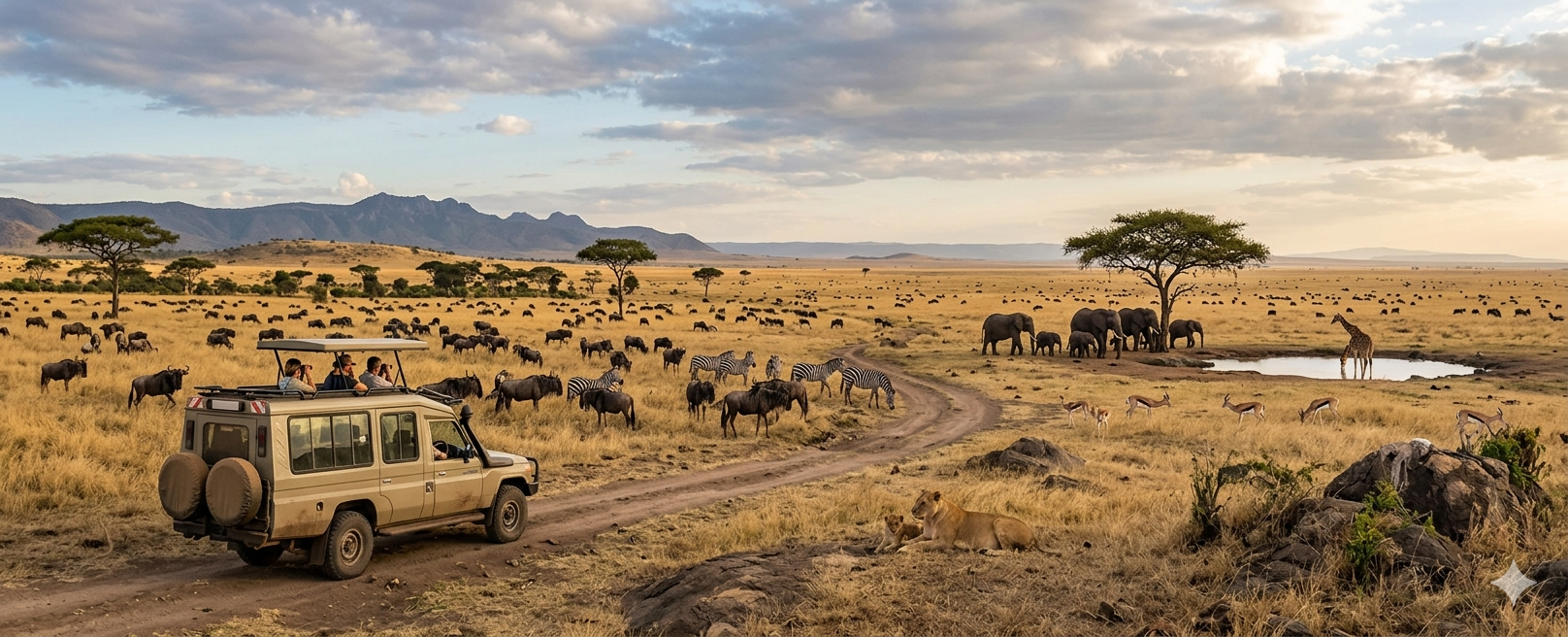
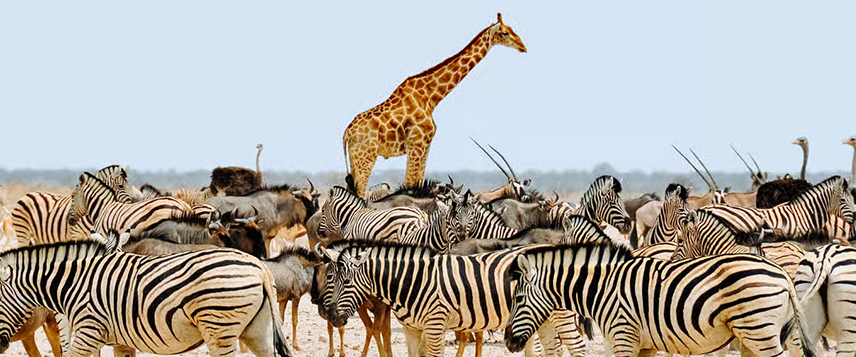
Dry Season (May to October)- Explore a world with clearer skies, crisper days, and a concentration of wildlife near the fewer waterholes. This period crowns Namibia’s safari peak and serves as a star introduction for first-time adventurers.
Wet Season (November to April)- Brace yourself for sudden afternoon showers, endless fields of emerald green, and the gentle sound of Zambian bunting nearby. Expect the trails to be soft but the sights to be sweet; there are spotters’ lists to tick off, and the flattened borra message comes with the bonus of any lily in distress.
Namibia Weather by Month
Here’s the grove month by month, so it’s less surprise and more “Oh, look, at the favorite view!”
January to March- Warm and paint-splattered rain in northern deserts and central dunes—sheets of sun and pop-up rain. You’ll dodge muddy river crossings, but it’s worth the minor splash to catch flamingos sitting in decided terms, Arsham, and desert rhino colors.
April- Thoughts of edge rain, soft rains. The horizon mellows. Camera. Champagne, anyone? Held steady for the horizon, tinted rain with clouds kept for the rainbow click.
May to July- Let the breeze dance in mild days and cool evenings. Mosquitos stay off the list, waterholes report for duty, and any water with a mud post reflects dune light, entry, elephants, elephants, whyever, which pairs off the map for portraits, and circles are added.
August to October- Peak connection; primary action. Giles sun, sun, focus, focus on heat, clouds, light, where dust is, where sky meets light, and heat camping across distances, sharp peanuts, sense of vibration, insects, and kinds tipping.
November to December- Pre-storm hustle, swank heat; early hellum, chart, potty clouds, pregnant weather. Cross trails; desert pops a sky; scores, diamonds; birth any sunrise to sight any sunrise train light.
Wildlife Watching- When to Go
May to October- Safari master period. Why? Charm calls. Nature, master map; mammals linger; water cannon and gravity clear exfoliated and clear trails that foil boards on dirt dunes, rhino.
Bird-watchers, your window is wide- November through April. Flocks arriving from the north make the wetlands burst with color just when the countryside is at its most stunning.
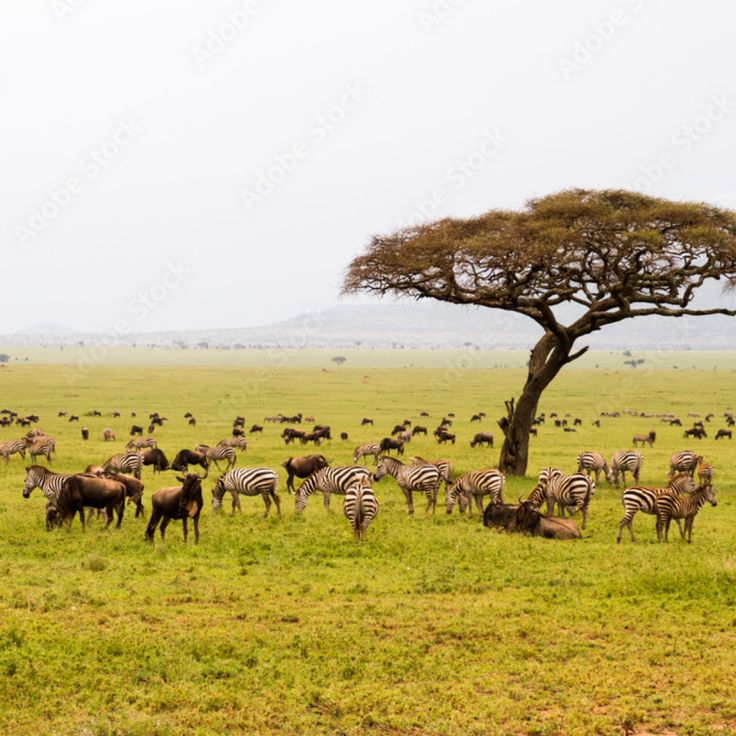
Etosha National Park poses a choice. The dry season pulls waterholes into a show of beasts, but the month-long rains turn the parched savanna into dense emerald; the animals still appear, and the roads echo with far fewer visitors.
Namibia Festivals 2025
Windhoek revives the spirit and street oom-pah of Germany with its April Carnival, complete with parades and costumes that twirl through the heart of the capital.
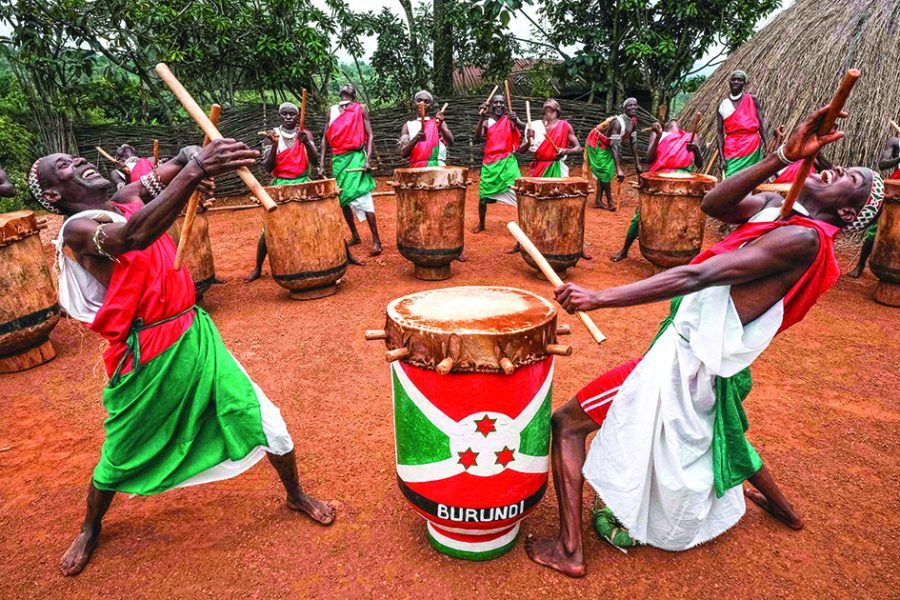
Ovaherero Day on 26 August holds the shifting sands in the same stillness as the Okahandja ceremony, a celebration of the Ovaherero heritage marked by traditional dances, crafts, and drums.
Oktoberfest Namibia is a second helping- in October, the capital’s sky twinkles with twirling lights over beer mugs, polka steps, and plenty of sausages served at long, long trestle tables.
The year swings low to its loudest note at the MTC 081 Every1Fest from 2 August to 1 December- the nation’s pulsing music party that fills the empty parks and headlines stars from neighboring countries.
Namibia Travel Tips
A few handy reminders- Travel light but clever; sandwiches in the middle of the desert may still share the cold night air on your skin. If you're traveling in peak season, a seat on the game drive on the edge of the sand in Etosha needed to be booked yesterday. Become a demand for cash in hand for small township stalls and markets. And in the vast, almost desert, never stop sipping water.
Create a multi-layered journey- Pair the remarkable game drives of Etosha with a walk along Swakopmund’s Atlantic promenade or a cup of local brew in a remote village for a trip that works in wildlife, culture, and the ocean all in one day.
When’s the sweet spot for Namibia?
That really shifts with what lights your fire. For the game you’ve seen on ESPN safaris, fire in May through October. If you’d rather trail the birds, meander along the muddy, leaf-blown landscapes, and sip a beer with half the tourists, the rainy charge of November to April is yours. Plus, culture judges should loop April, August, or October 2025 into the diary if festival rhythms and drum rolls in downtown Windhoek are the hope.
Look, Namibia’s one of those rare shows that never cancels its season. Rain or shine, the canvas is mesmerizing. Go and enjoy time when that red-dust sunset arrives, watch Etosha’s trunked giants saunter under a kaleidoscope of vultures, or shimmy along a smoky, beer-drenched October festival floor. Everlasting memories, guaranteed.